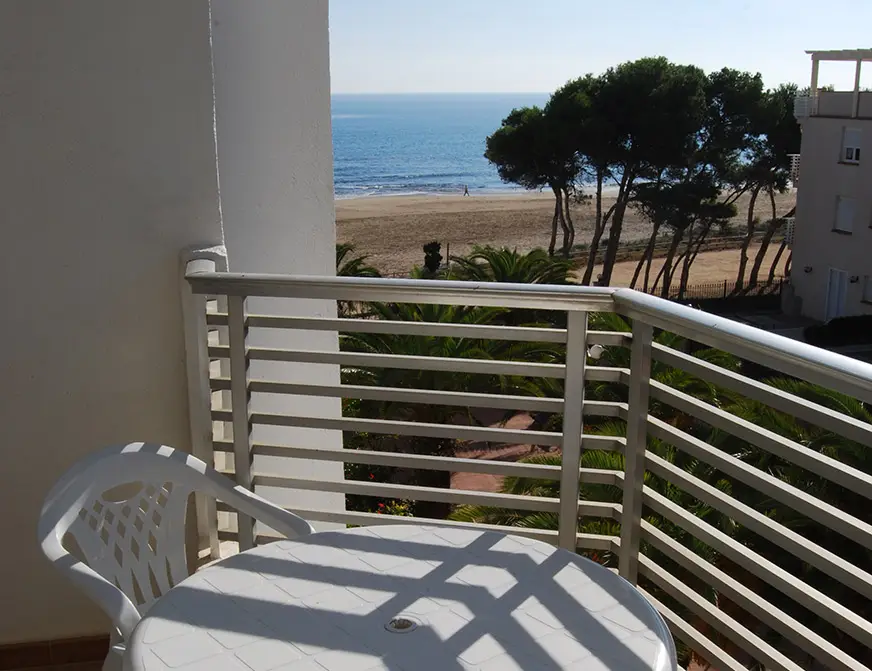
Is Alcossebre worth visiting? Yes, if what you want is fine-sand beaches with lifeguards and a seafront promenade, a quiet village of about 2,000 people and a protected coastal mountain range a few minutes away. No, if your idea of a holiday is going out at night in any month of the year, seeing monuments without getting in the car or finding facilities at every cove. Alcossebre (also spelt Alcocéber), the coastal part of Alcalà de Xivert (Castellón, Spain), is a beach-and-nature destination, not a city break.
You won't find user reviews or made-up opinions here: everything below comes from the official tourism website of Alcalà de Xivert-Alcossebre, the Valencian regional government and AEMET, Spain's met office, so you can decide on the facts.
Is Alcossebre nice? What you'll find
Alcossebre's appeal is above all its coastline: more than 10 km that combine fine-sand town beaches and, to the north, the coves and cliffs of the Serra d'Irta Natural Park, protected since 2002, with about 12 km of unspoilt coast. Turisme Comunitat Valenciana describes it as one of the last unspoilt mountain ranges on the Valencian coast.
The village itself is simple and built around holidays. Its nicest walks are the Cargador seafront promenade, the Senda Litoral, a wooden boardwalk by the sea to Playa Romana, and the Las Fuentes marina. The historic heritage is inland: in Alcalà de Xivert, about 12 minutes away by car, the church of San Juan Bautista has a 68-metre octagonal bell tower, one of the tallest in the Valencia region, and up in the hills you'll find Xivert castle and the Santa Llúcia hermitage.
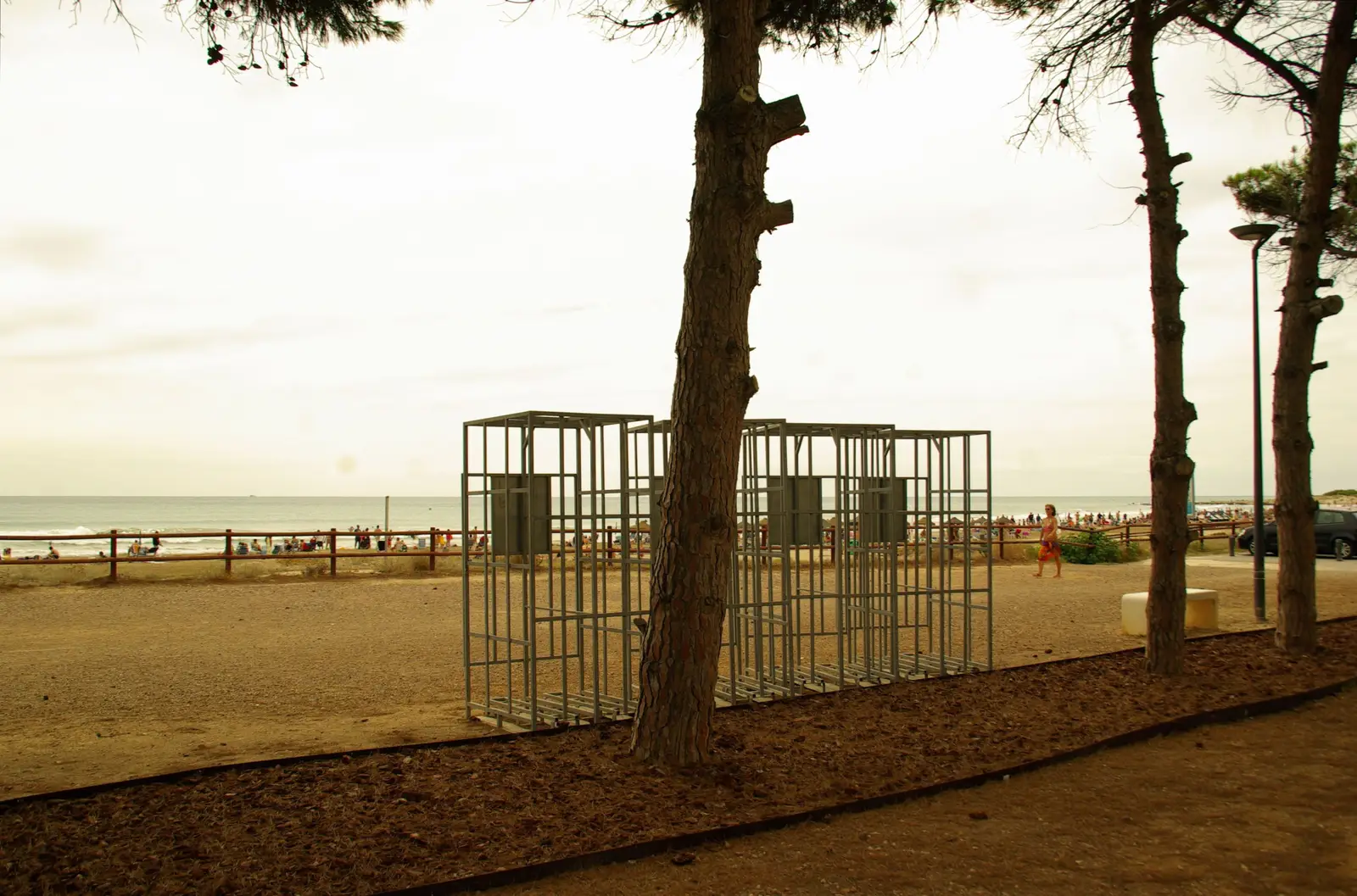
Who Alcossebre is worth it for
- Couples looking for peace and quiet. Outside July and August the village slows right down: according to Google Trends, interest in Alcossebre in August is six times that in November. In spring and autumn you'll have the beach and the promenades almost to yourself.
- Families with children. The town beaches of Cargador, Romana and Les Fonts have lifeguards, toilets, showers and a children's play area, and Cargador and Romana are accessible.
- Nature lovers. Official low-difficulty trails start at Cala Blanca, next to the lighthouse, such as the one to Cala Cubanita (12.8 km), and the coastal track towards Peñíscola can be cycled on the Ruta del Cranc (13.2 km, low difficulty).
- Anyone chasing sun out of season. The area gets 2,755 hours of sunshine a year and in winter average highs are around 16 °C.
Who it isn't for
- If you want nightlife all year round. Alcossebre is a small village. Its nightclub, Kalymnos, opens on New Year's Eve, at Easter and in summer; the rest of the year, evenings mean dinner and a stroll. If you're going in summer and want to go out, this guide to Alcossebre by night has the plans.
- If you want coves with facilities. The coves of the Serra d'Irta have no lifeguards or facilities, and the official tourism website rates access to several of them, such as Cala Blanca and Cala Mundina, as difficult.
- If you don't want to rely on a car. You can get around the village on foot, but the park's coves, Alcalà de Xivert or Peñíscola (about 35 minutes away) call for a car. The nearest train station, Alcalà de Xivert, is about 10 km away. The nearest airport is Castellón, about 25 minutes by car.
What the beaches in Alcossebre are like
Most beaches in Alcossebre are fine sand with facilities, and four of them had the Blue Flag in 2026: Carregador, Romana, El Moro and Manyetes. Further south there are pebble beaches, and in the hills, natural coves. Sizes and facilities as given by the town's official tourism website:
| Beach | Size | Surface | Facilities and features |
|---|---|---|---|
| Cargador (Carregador) | 850 × 70 m | Fine sand | Lifeguards, toilets, showers and children's play area; accessible; dunes with sea daffodils; sailing club and paddle surfing |
| Romana | 500 × 40 m | Fine sand | Lifeguards, toilets, showers and play area; accessible; sunbeds and parasols for hire |
| Les Fonts (Las Fuentes) | 400 × 40 m | Fine sand | Freshwater springs in the sand; lifeguards, toilets, showers and children's area |
| El Moro | 300 × 30 m | Fine sand between rocks | Lifeguards, showers and toilets |
| Tres Platges | 400 × 35 m | Fine sand and pebbles | Three small coves; unsupervised bathing area |
| Manyetes (Tropicana) | 400 × 35 m | Sand to the north, pebbles to the south | Quiet feel and dunes |
Cargador is the central beach, with the promenade and the Blue Flag every year without a break since 1987. It's the easiest choice if you want everything within walking distance.
Las Fuentes beach (Les Fonts) lies to the north, next to the marina. What sets it apart are the freshwater springs that bubble up in the sand itself, from an old underground aquifer. It's small, about 400 metres long, and the town's website presents it as fully equipped. Worth knowing: it isn't among the Blue Flag beaches in 2026.
Playa Romana lies south of Cargador and you can walk there along the Senda Litoral. It has 500 metres of fine sand, is accessible and had the Blue Flag in 2026.
The not-so-good side of Alcossebre, honestly
- It's very seasonal. July and August see the highest demand, so book well ahead. And part of what's on offer is seasonal: the Tuesday market in Alcossebre runs from May to October, the nightclub opens on set dates and community pools are usually open in summer only.
- The coves take some planning. In summer, driving into the park's coastal area requires booking a parking space in the GVA Parcs Naturals app; the dates of the scheme change every year. With no facilities, take water, shade and water shoes.
- It's not all sand. Serradal beach, to the south, is pebbly, and Manyetes and Tres Platges mix sand and pebbles. If you want fine sand, stick to the stretch between Les Fonts and Romana.
- Not much of a town break. There are no major monuments by the beach: the charm lies in the beach, the promenade and the hills.
When Alcossebre is most worth it
For beaches without the crowds, June and September; for walks in the hills, spring and autumn; for the summer buzz and the San Juan Bautista patron saint fiestas, late August and September. You'll find it all month by month, with weather, fiestas and markets, in the guide to the best time to visit Alcossebre.
If you're convinced: where to stay
The handiest area for a first visit is Cargador beach: sand, promenade and services on foot, as we explain in the guide to the Cargador area. There, Casa Azahar, a local agency in Alcossebre, manages two options:
- Ibiza apartments, on the Cargador seafront promenade: three-bedroom duplexes for six people, with a sea-view terrace and no lift. On Booking, guests rate the location 9.1 out of 10 (checked in October 2026).
- Mare Nostrum apartments, in the centre, about two minutes from Cargador: lift, shared seasonal pool and room for up to eight people.
None of Casa Azahar's apartments accept pets. If you'd like to compare them at your leisure, see the alternatives to Las Margaritas in the same area.